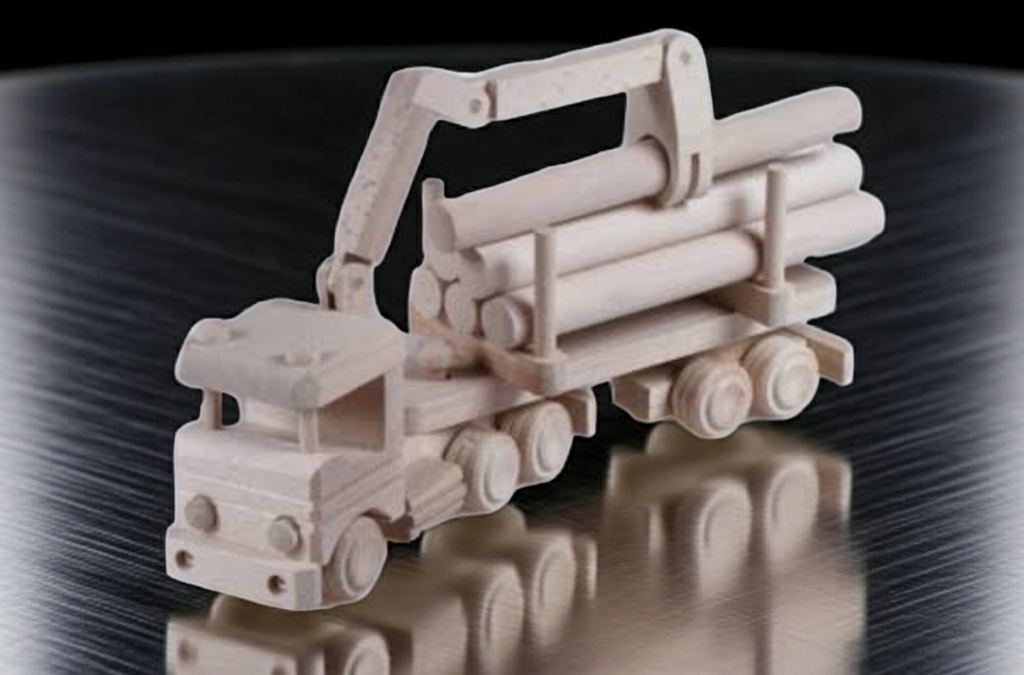
In an era dominated by glowing screens and chirping plastic gadgets, a quiet revolution is happening in the world’s playrooms. Parents, educators, and developmental experts are returning to the basics. We are rediscovering why we cherish handmade wooden toys—not just for their nostalgic beauty, but for their profound ability to help children craft learn through tactile, open-ended play.
At AfriArtisan, we believe that a toy should be more than a distraction; it should be a bridge to discovery. When a child holds a hand-carved wooden figure, they aren’t just playing; they are engaging with the grain of the earth, the weight of nature, and the soul of the artisan who shaped it. In this 900-word guide, we explore why wood is the ultimate medium for the growing mind.
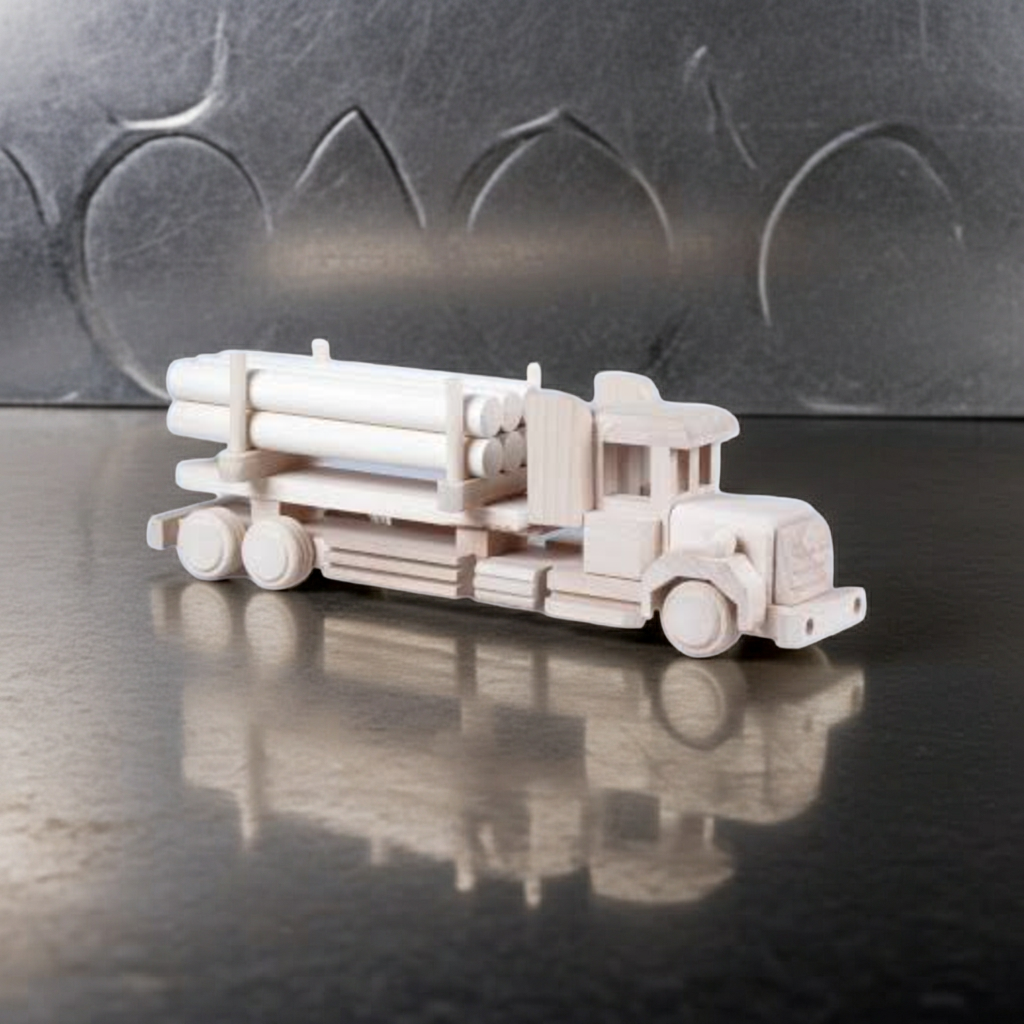
The Science of “Craft Learn”: Why Wood Trumps Plastic
When we use the term “craft learn,” we refer to the cognitive development that occurs when a child interacts with physical, non-automated objects. Unlike plastic toys that perform for the child (flashing lights, pre-recorded sounds), wooden toys require the child to perform for the toy. This is “Active Play” vs. “Passive Entertainment.”
Sensory Processing: Wood has a unique thermal conductivity; it feels warm to the touch. It has weight, a distinct smell, and a variable texture. Research shows that these organic sensory inputs help children develop better fine motor skills and spatial awareness. When a child stacks handmade wooden blocks, they are learning the laws of physics—gravity, balance, and friction—in their purest form.
The “Open-Ended” Advantage
One of the primary reasons we cherish handmade wooden toys is their lack of a “fixed” identity. A plastic superhero is always a superhero. A wooden arch, however, can be a bridge today, a tunnel tomorrow, a cradle for a doll the next day, and a fence for a farm next week. This is the essence of divergent thinking—a key component of high-level creativity that AI experts predict will be the most valuable human skill of 2026 and beyond.
Wood vs. Plastic – The Developmental Choice
HANDMADE WOOD
✅ Durability: Lasts for generations; becomes an heirloom.
✅ Safety: Natural materials, non-toxic finishes, antibacterial properties.
✅ Focus: Quiet play promotes “Deep Flow” states.
MASS PLASTIC
❌ Longevity: Breaks easily; ends up in landfills.
❌ Chemicals: Potential BPA, phthalates, and microplastics.
❌ Overstimulation: Loud noises can lead to sensory fatigue.
Artisan Craftsmanship: The Human Connection
In our deep research into the “Slow Toy” movement, we found that children develop a different relationship with objects they perceive as “precious.” Artisan toys from AfriArtisan carry the marks of the maker. This teaches children value. When a toy is handmade, it isn’t disposable. It is something to be cared for, repaired if it chips, and eventually passed down to a younger sibling or even a next generation.
The Eco-Friendly Playroom: Sustainability in 2026
As the “Green Parenting” trend reaches its peak in 2026, the craft learn search term has become synonymous with sustainability. Wooden toys are biodegradable and often made from renewable resources. At AfriArtisan, we ensure that our wood and stone are sourced ethically, providing a livelihood for master carvers while protecting the local ecosystem. By choosing these products, you are teaching your child environmental stewardship from the very first day they reach for a toy.
Montessori and Waldorf: Why Wood is the Standard
Both the Montessori and Waldorf educational philosophies insist on natural materials. They argue that plastic “masks” the reality of the world. For example, a large plastic block and a small plastic block might weigh the same, but in wood, the size is proportional to the weight.
Links—-
FaceBook – https://www.facebook.com/AfriArtisanShop/
Instagram – https://www.instagram.com/afriartisan/
Twitter – https://www.twitter.com/AfriArtisan
Flickr – https://www.flickr.com/people/afriartisan/
Etsy – https://www.etsy.com/uk/shop/AfriArtisan
Blog – https://afriartisan.wordpress.com/
Tumblr – https://afriartisan.tumblr.com/
Blogger – https://afriartisan.blogspot.com/
Google – https://plus.google.com/+Afriartisanshop
Shop – https://afriartisan.com/shop/




You must be logged in to post a comment.